The only way to know that concrete is dry is to test it and the most accurate test which is scientifically proven is situ rh test. There is a drying process in that the concrete must evaporate the excess water leftover from the pouring process but not drying in the way we imagine.

Working With Cement In The Cold Weather - Professional Builder
The general rule is that once the concrete has gained strength to.

How long does it take for cement to dry in cold weather. Concrete doesn’t gain its full strength overnight, so if ambient temperatures are below freezing the curing process can be stopped in its tracks. Tips for working with masonry and mortar in cold weather. Bleed water is basically the concrete particles settling (like mud in a stirred up pond) and squeezing out all the extra.
Concrete sets more slowly when it is cold—very slow below 50°f; Astm c 150 type i cement, 7 days astm c 150 type ii cement, 10 days astm c 150 type iii cement, 3 days astm c 150 type iv or v cement, 14 days astm c 595, c 845, c 1157 cements, variable Two days without rain is optimal but may not be feasible.
Although it only takes 24 hours for mortar to cure 60% of the way, it will then take about 28 days or a full four weeks for it to achieve a 100% cure. Water acts as a lubricant in the plastic mortar and is. Concrete set time at 70 degrees is approximately 5 hours, at 50 degrees it is 10 hours, at 30 degrees it's up to 20 hours (if the concrete doesn't freeze!).
In cold weather, the main thing you want to avoid is letting the concrete freeze. Concrete in cold weather absolutely does need to be cured—the surface can dry out even faster than in warm weather, if the concrete is warmer than the air. Dynamic concrete pumping , date:
Cold weather period, as defined by aci committee 306, is when one of the. So when it comes down to it, although mortar will be dry to the touch after about 48 hours, it will not be cured and at full strength for up to a month. Hot weather is defined as any combination is high ambient temperature, high concrete temperature, low relative humidity, and wind velocity.
Aci committee 308 recommends the following minimum curing periods: Realize that just because you have a concrete curing blanket doesn’t mean you have a solution. You need at least 24 hours of dry weather for the slab to start curing properly.
The cement usually dries up within 2 hours on average. Concrete must maintain a temperature above 50 °f for approximately 48 hours for the correct chemical reactions to take place. Produce cold weather concreting strength of up to 3,925 psi in 72 hours prevent a freeze cycle thaw ground and frost from job site before you pour reduce downtime & increase profitability maintain aci compliance for cold weather concreting.
A good rule of thumb is that concrete takes approximately 30 days to dry for every one inch of poured concrete. Like curing, this drying can take several weeks. If it does start raining before the slab has been set for a day, covering it with a sheet or blanket will help keep it dry.
Two popular options used during cold weather concrete curing are heated enclosures and insulated blankets. Usually, the time is specified on the glue can you have bought. The period can be reduced to 3 days if high early strength concrete is used and the temperature is above 10º c (50º f).
Concrete can be placed in cold weather conditions provided adequate precautions are taken to alleviate the negative impacts of low ambient temperatures. In cold weather (40 degrees fahrenheit and below) mortar materials need to be heated, otherwise the mortar is likely to exhibit slower setting times and lower early strengths. However, proper cold weather concrete curing will enhance concrete strength development.
You can pour in cold weather , as long as certain precautions are taken. Concrete typically takes 24 to 48 hours to dry enough for you to walk or drive on it. “cold weather can slow construction by affecting the set time and strength development of mortar and grout.
To make more accurate projections and save time and money trend analysis helps you. For most concrete structures, the curing period at temperatures above 5º c (40º f) should be a minimum of 7 days or until 70% of the specified compressive or flexural strength is attained. Temperature can have a detrimental effect to concrete strength development.
So when it's cold, we need to protect the concrete until it can handle the cold on its own. However, provided the concrete is able first to reach a strength of about 2 n/mm2, it is likely to resist this disruptive expansion. If using an enclosure, ensure that the structure is both wind and waterproof.
However, concrete drying is a continuous and fluid event, and usually reaches its full effective strength after about 28 days. You can pour in cold weather , as long as certain precautions are taken. Below 40°f the hydration reaction basically stops and the concrete doesn't gain strength.
Concrete set time at 70 degrees is approximately 5 hours, at 50 degrees it is 10 hours, at 30 degrees it's up to 20 hours (if the concrete doesn't freeze!). But how long does pvc cement take to dry? The answer depends on the pipes that you have assembled with, or you want to.
Mix relatively small amounts of mortar mix so that water will not be absorbed by the materials and will not frost. Concrete will be severely weakened if it freezes before it can reach its full strength. When finishing concrete in cold weather, you still need to wait for all the bleed water to evaporate.
The liquid solvent is more likely to soften the plastic first and then evaporates to harden up the pipe joints. But these are concrete temperatures not air temperatures. For most mixes this strength is achieved within 48 hours if the concrete is kept at or above 5ºc.
Check the weather forecast before pouring concrete. The concrete is fully hardened in 28 days. The curing process takes time;

How To Make Concrete Smooth And Shiny Smooth Concrete Concrete Pavers Diy Concrete Coatings

Rimowa Essential Arrives In Desert Rose And Cactus Desert Rose Rimowa Deserts In The Us

Advantages Of Solid Concrete Blocks Civil Engineering Design Mechanical Engineering Design Structural Engineering

Concrete Cone Tree Cone Trees Concrete Mantel Decorations

Cement Pumpkin Pantyhose Cement Rubber Bands Let Dry Remove Rubber Bands Trim Stem Done Cement Pumpkins Pumpkin Diy Pumpkin

Con097-4 - Materia Concrete Heavy And Light Concrete Texture

Guide Pouring Concrete In Cold Temperatures Master Mix Concrete

Cement Brick Holiday Gift Box Tutorial With Frog Tape Fun Holiday Gift Holiday Gift Box Christmas Decorations
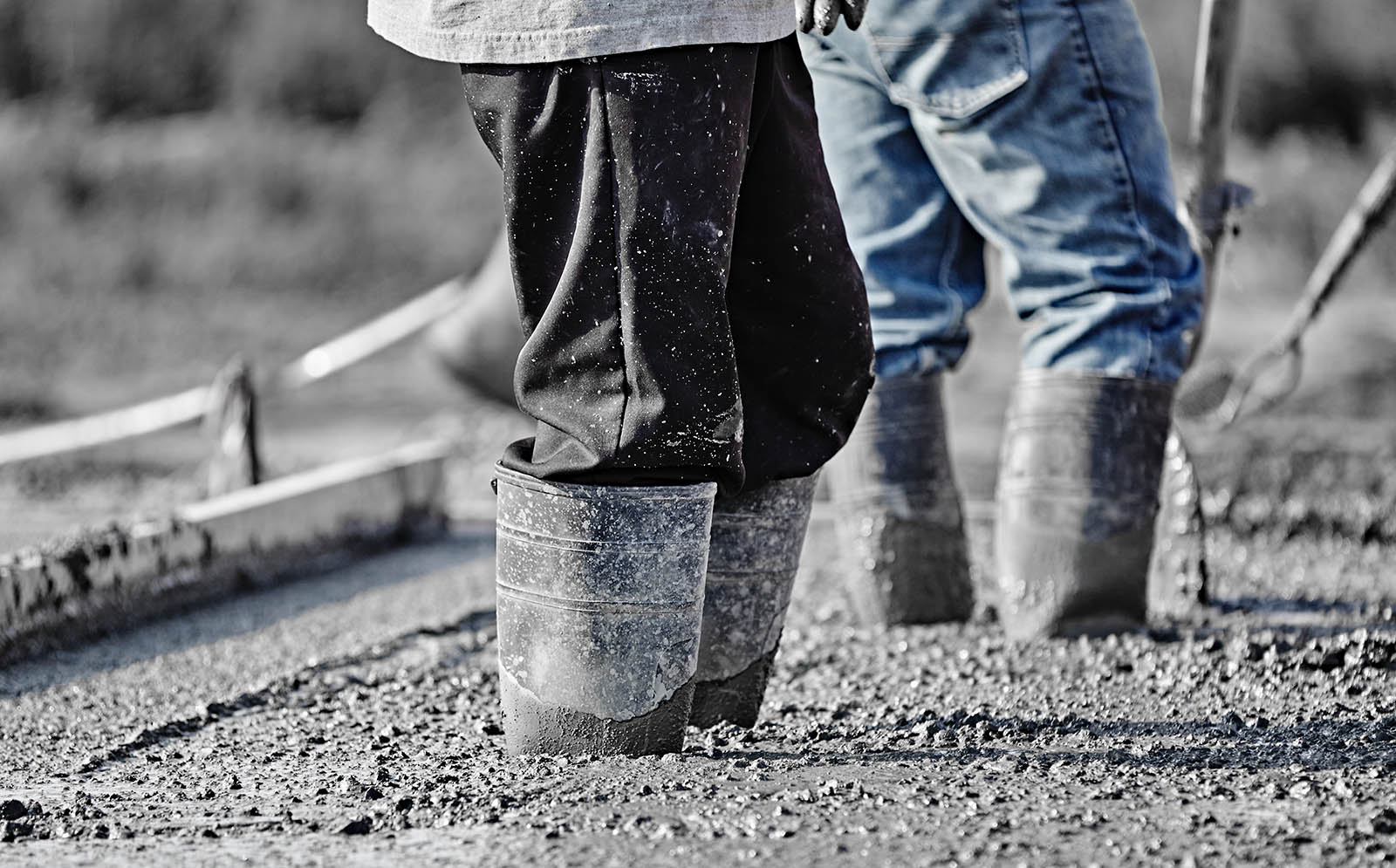
Best Practices For Pouring Concrete In The Winter - Tilt Wall Ontario
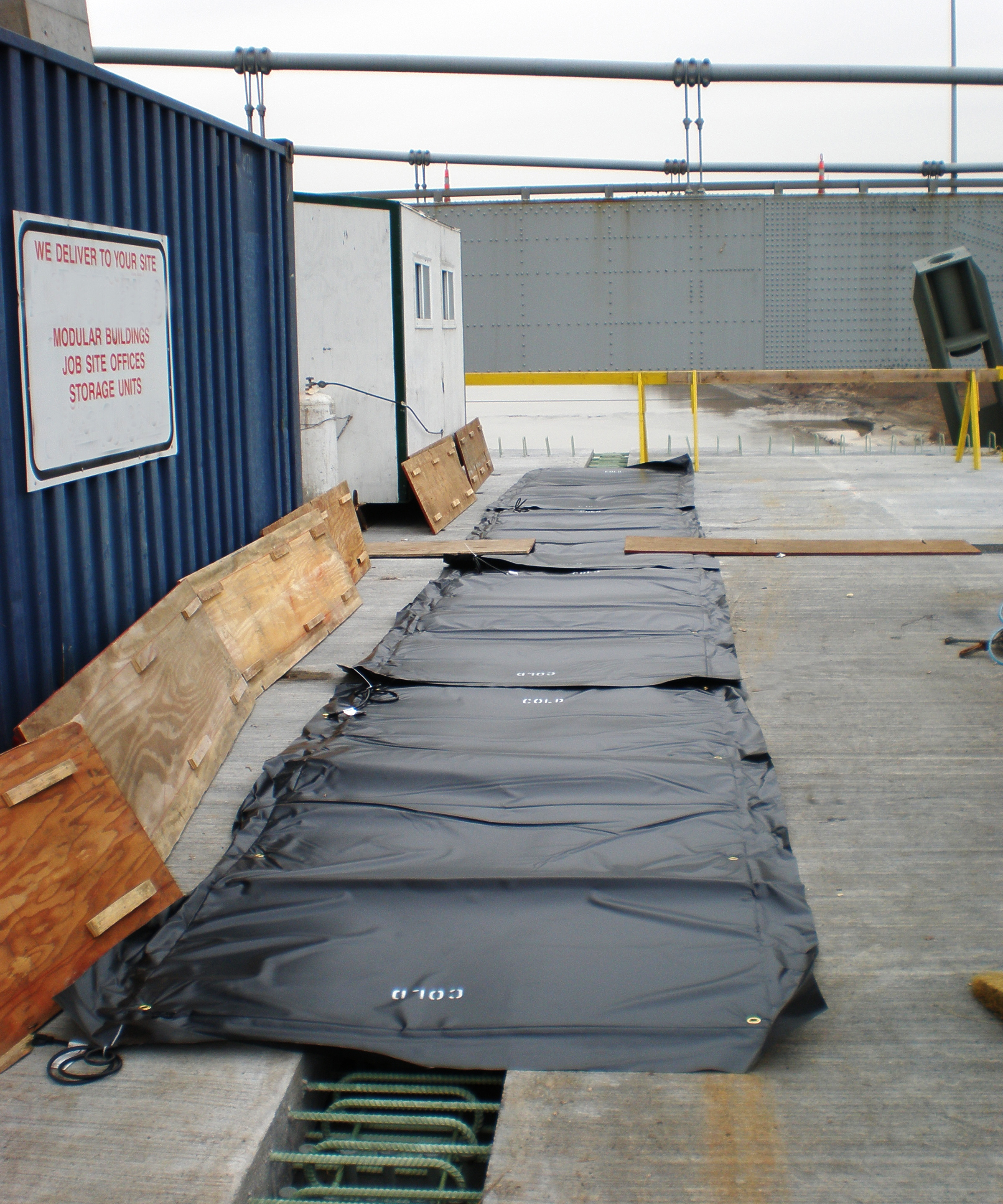
Pouring Concrete In Cold Weather How Cold Is Too Cold
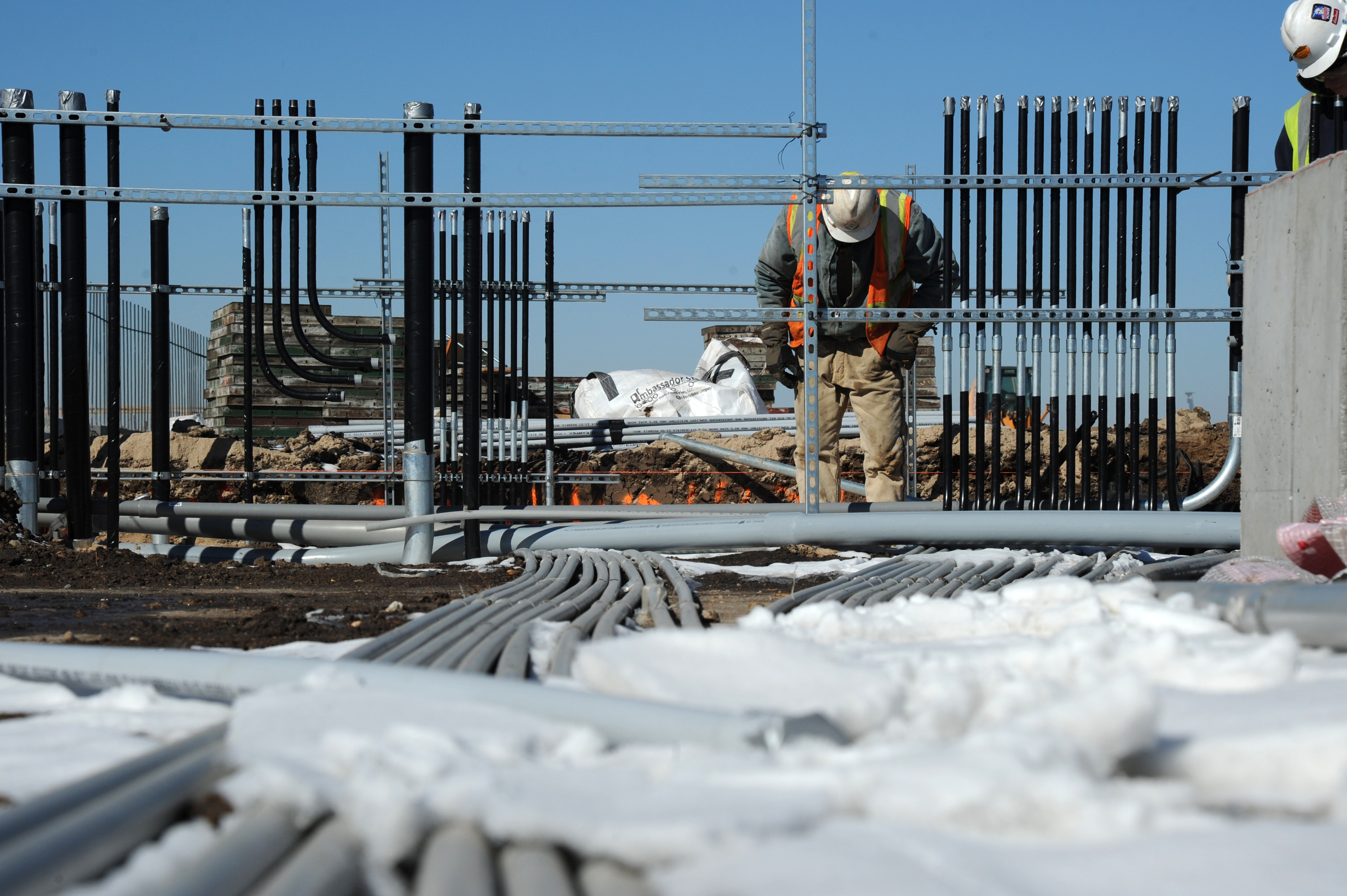
Tips For Pouring Concrete In Winter Curing Concrete In Cold Weather
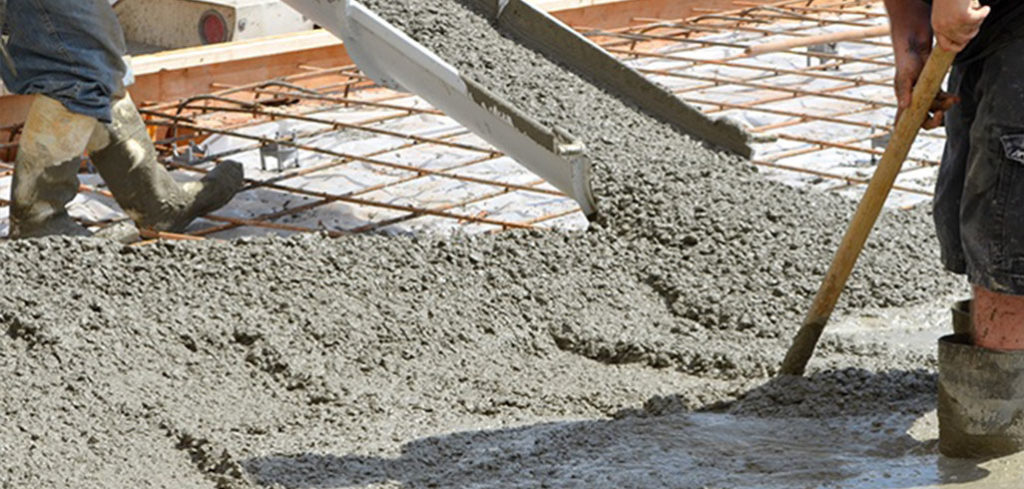
Maintaining The Ideal Temperature During Concrete Curing Madgetech

Rome Cement Pot Light Gray - 104 X 104 X 102 Cement Planters Planters Decorative Pots

How To Pour Concrete In Cold Hot Weather Unique Paving Materials

Henry 208r Rubberized Wet Patch Roof Cement Leak Repair - 090 Gallon-he208r142 - The Home Depot Roof Leak Repair Leaking Roof Leak Repair

80cm Fibrecotta Cement Finish Tall Cube Planter - Set Of 2 18699 Cement Finish Terracotta Planter Planters
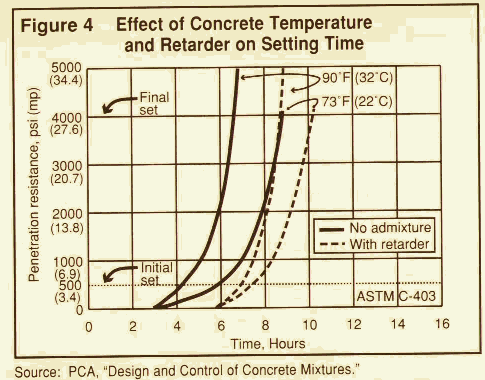
Table 1 Setting Time Of Concrete At Various Temperature
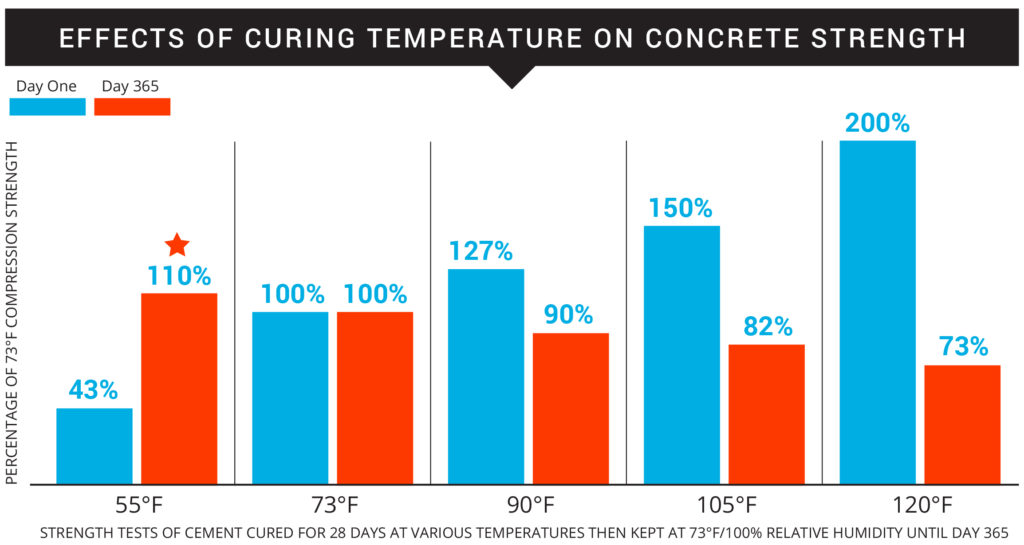
Concrete Curing Temperature Makes A Difference - Powerblanket
Pin On Rubber Roof Coating